_result.jpg)
_result.jpg)



Harrow Road removals parking and access guide Maida Hill
Posted on 28/04/2026
Harrow Road Removals Parking and Access Guide Maida Hill
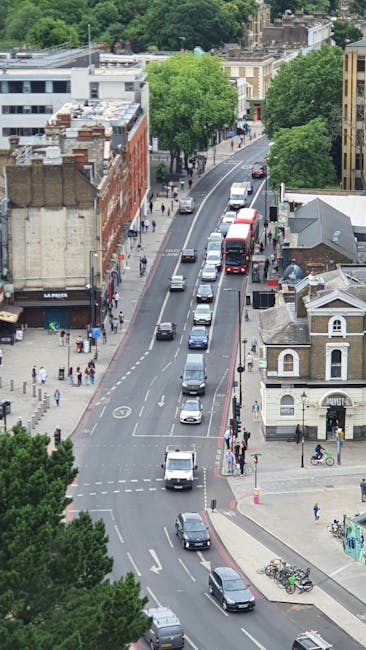
Moving on or around Harrow Road in Maida Hill can look simple on a map and then become awkward the moment a van tries to stop. Busy traffic, tight kerb space, front doors set back from the road, shared entrances, and limited waiting room all affect how smoothly a removal goes. A good Harrow Road removals parking and access guide Maida Hill is not just about finding a place to park; it is about planning the whole approach so the move stays safe, efficient, and calm.
This guide explains how access works in practice, what to check before moving day, and how to reduce delays without overcomplicating the process. If you are arranging a flat move, a house move, or a single-item collection, the details matter. A little preparation can save a surprising amount of time, stress, and back-and-forth driving. And, to be fair, nobody wants to discover a tight staircase only after the van has arrived.
For broader planning support, you may also find it useful to review the services overview, compare man with a van options in Maida Hill, or look at the practical details on pricing and quotes before booking.

Why Harrow Road removals parking and access guide Maida Hill Matters
Parking and access are the parts of a removal that people often underestimate until the day itself. In Maida Hill, Harrow Road and the surrounding streets can present a mix of traffic flow, time pressure, restricted loading space, and buildings that are not especially removal-friendly. Even if the route between the property and the van looks short, the real challenge is often the last 20 metres.
That short distance can involve narrow pavements, steps, shared hallways, limited turning room, or vehicles already occupying the most convenient stopping point. If your move is not planned around those realities, you can end up with longer carrying distances, more fatigue, and a higher chance of damage to furniture or walls. A sofa that is easy to carry from a driveway becomes much less manageable if the van is three doors away.
This matters even more for larger or heavier items. Bed frames, wardrobes, freezers, pianos, and corner sofas all need room to be manoeuvred. A parking error can turn a straightforward job into a slow one. That is why moving advice should cover the route outside the property as carefully as the boxes inside it.
The good news is that access issues are usually manageable with early planning. If you know the size of the vehicle, the building layout, and the likely loading point, you can usually make the day work smoothly. In some cases, that means booking a smaller vehicle; in others, it means arranging a better loading window or using a carry plan that avoids bottlenecks. If you are sorting out a wider residential move, the local house removals Maida Hill page is a sensible next step.
How Harrow Road removals parking and access guide Maida Hill Works
At its core, this guide is about matching the vehicle and moving plan to the street environment. The process starts before the van arrives and ends only once items have been loaded or delivered without unnecessary delays. The main aim is simple: reduce the distance, reduce the risk, and keep the operation predictable.
The practical workflow usually looks like this:
- Assess the property entrance. Check whether the front door opens directly to the street, to a shared hallway, or to a courtyard or rear entrance.
- Measure likely carrying points. Note steps, narrow door frames, lifts, bends, and any awkward internal corners.
- Decide on the stopping position. Identify where a van can safely pause without blocking traffic, footpaths, or building access.
- Match the vehicle to the street. A smaller vehicle or a different parking angle can be more practical than forcing a large van into a tight spot.
- Prepare loading order. Place the heaviest and most awkward items closest to the exit so they are not trapped behind smaller boxes.
- Keep the route clear. Remove bins, loose mats, bicycles, and anything else that could slow the carry.
In many moves, the biggest time-saving decision is not the packing tape or the number of boxes. It is whether the van can sit close enough to the entrance to keep the carry short. That is especially true for flats and converted properties, where access often involves stairwells and shared entry points. If your move includes multiple rooms or a mix of furniture, take a look at flat removals in Maida Hill and furniture removals in Maida Hill for service-specific support.
A good moving team will also think about sequence. For instance, if the road is narrow and traffic is flowing steadily, it may be better to stage items near the doorway and load in a tighter burst rather than carrying one item at a time over a long distance. Small tactical decisions like that are what make the difference between a tidy move and a drawn-out one.
Key Benefits and Practical Advantages
Planning parking and access properly does more than save time. It improves the whole moving experience in ways that are easy to feel on the day.
- Shorter carry distances: Less walking between the property and the van means less fatigue and lower handling risk.
- Fewer delays: You are less likely to stall while searching for somewhere to stop or reposition the vehicle.
- Better protection for belongings: Fewer handovers and fewer awkward turns reduce the chance of knocks and scrapes.
- Safer working conditions: Clear access is especially important when moving heavy objects, appliances, or fragile items.
- More accurate scheduling: A well-planned access route helps removals stay on time, which is useful if you have key handover deadlines.
- Less stress for everyone: Calm logistics usually mean a calmer move. It really is that simple.
There is also a commercial advantage. If access is properly planned, you can often choose the right size of vehicle and the right service level instead of paying for a bigger, less efficient setup. That is one reason people compare man and van Maida Hill with full removal support. The best choice is the one that fits the street, the building, and the volume of items rather than just the headline price.
| Access situation | Typical challenge | Practical advantage of planning |
|---|---|---|
| Direct street parking near the entrance | Traffic flow and short loading windows | Fast load-in and reduced carrying distance |
| Shared entrance or communal hallway | Blocked access and narrow internal routes | Clear staging and better item sequencing |
| Flat with stairs and no lift | Manual handling strain | Safer lifting plan and fewer stops |
| Limited roadside waiting space | Vehicle repositioning | Reduced delay and more predictable timing |
Who This Is For and When It Makes Sense
This guide is useful for almost anyone moving on Harrow Road or nearby streets in Maida Hill, but it is especially valuable if your property has access constraints. A ground-floor flat with an easy frontage still benefits from planning, but the urgency is much higher if you are working with stairs, shared parking, or a tight time slot.
You will get the most value from this approach if you are:
- Moving from or to a flat with limited frontage
- Arranging a family home move with several large items
- Transporting furniture that needs careful loading angles
- Handling an office move where timings must be tight
- Booking a same-day service and need an efficient setup
- Moving a student room or studio and want a quick, organised load
It also makes sense if you are moving anything heavy or awkward. For example, a piano, a double mattress, or a solid wardrobe can quickly become difficult if the van cannot stop close enough to the entrance. For specialised items, you may want to read more about piano removals in Maida Hill or the advice in this mattress and bed moving guide.
It is also a good fit for people who are simply trying to keep the day low-drama. That sounds obvious, but it is usually the sensible goal. Not every move needs heroic effort; some just need tidy planning.
Step-by-Step Guidance
If you are preparing a removal on Harrow Road, work through the move in layers. Start with the street, then the building, then the items. That order keeps surprises to a minimum.
- Survey the parking position in advance. Look at where a van could reasonably stop, and whether that position would block access, sightlines, or neighbouring entrances.
- Check loading restrictions and local timing. If you are unsure whether a particular spot is practical, build in a safer alternative rather than assuming space will be available.
- Walk the route from the van to the front door. Note steps, kerbs, narrow gates, low railings, and anything that could catch on furniture corners.
- Identify the hardest item first. If the sofa, freezer, or wardrobe is likely to be the most awkward thing, plan for that item before the boxes come out.
- Pack by loading order. Keep the first items needed at the front of the property and the last items deeper inside, so the team does not keep crossing paths.
- Protect the route. Use covers, blankets, or floor protection where needed, particularly in communal areas.
- Agree who is directing the move. One clear point of communication avoids confusion at the kerb and at the doorway.
- Build a backup plan. If the best parking point is taken, decide in advance what your second-best option is.
A practical example helps. Imagine you are moving from a first-floor flat just off Harrow Road. The street is busy, the entrance is narrow, and the lift is too small for larger items. In that case, your best move may be to have the van parked as close as possible for a quick load, keep boxes staged near the door, and carry the biggest items through a cleared route one by one. That approach is usually faster than trying to improvise at the last minute.
If you are still in the packing stage, our packing guide for moving is a useful companion, and packing and boxes in Maida Hill can help with supply decisions.
Expert Tips for Better Results
Experience teaches you a few things that do not always show up in basic moving checklists. The following tips are small, but they make a real difference.
- Use the smallest vehicle that still fits the job. On tighter roads, a compact loading plan can be easier than forcing a larger van into awkward parking conditions.
- Keep one clear loading lead. Too many people giving instructions at the kerb creates hesitation. Pick one person to direct the move.
- Prepare items at the exit point. Staging reduces congestion inside the property and keeps the load moving.
- Protect high-contact surfaces. Door frames, banisters, and corners tend to take the most accidental knocks.
- Use realistic time buffers. Access issues often cost a little time, even with good planning. Allow for that instead of packing the schedule too tightly.
- Separate fragile, heavy, and urgent items. A rushed grab of mixed items is where damage happens.
If your move includes furniture storage or temporary staging, think ahead about where those pieces will go. The wrong storage setup can undo good packing work. For longer-term planning, the article on storing sofas properly is worth a look, along with storage options in Maida Hill.
One more practical point: heavy lifting is never something to improvise casually. If you are unsure whether you can move an item safely, ask for help. That is not weakness; that is common sense wearing sensible shoes.

Common Mistakes to Avoid
The most common access problems are not dramatic. They are small planning misses that add up.
- Assuming parking will be available: Busy streets reward preparation, not optimism.
- Ignoring the carry distance: A parked van two doors away can double the time and effort.
- Forgetting about stairs or narrow turns: A route that looks fine at a glance may fail with a wardrobe in hand.
- Mixing loading order: If heavy items are packed behind lighter ones, the whole process slows down.
- Not protecting shared areas: Scrapes in hallways or entrance areas can create avoidable problems with neighbours or building management.
- Leaving the final route cluttered: Bins, bikes, and loose boxes create trip hazards and delays.
- Leaving planning too late: Access issues become harder to solve once the clock is already ticking.
There is also a softer mistake that people make: trying to do too much themselves. A careful self-pack is great, but carrying a heavy item alone down a tight stairwell is another matter. If you want a better sense of safe handling, the article on lifting heavy objects by yourself gives sensible background without overcomplicating it.
Tools, Resources and Recommendations
Good access planning does not require specialist kit, but a few practical tools help enormously. The aim is to make the route, the loading point, and the items easier to manage.
- Measuring tape: Useful for door frames, stair widths, and awkward furniture dimensions.
- Phone camera: Quick photos of access points help when describing the property in advance.
- Furniture blankets and covers: Helpful for protecting both items and walls during the carry.
- Labels and box markers: Speed up loading order and reduce searching once the van is open.
- Floor protection: Particularly useful in flats, communal areas, and freshly cleaned homes.
- Basic cleaning supplies: A quick sweep of the route can remove dust, grit, and small hazards.
Some moves also benefit from a simple decluttering pass before the moving day. Less clutter means fewer items to move, shorter loading time, and a better chance of keeping access clear. If that sounds useful, read our decluttering advice before a move. For end-of-tenancy situations, move-out cleaning tips can also save last-minute pressure.
For official service coordination, the most useful resource is often a direct conversation. If your property has unusual access, sharing photos and a short description early is usually better than trying to explain it on the day. If you need to discuss options, contact the team here.
Law, Compliance, Standards, or Best Practice
Parking and access for removals is one of those areas where local conditions and general best practice matter more than any one generic rule. Because street layouts, restrictions, and building arrangements vary, it is sensible to check the exact situation rather than assume a standard approach will work everywhere.
In practical terms, best practice usually means the following:
- Do not block access for residents, deliveries, emergency services, or pedestrians.
- Keep the loading area as safe and unobstructed as possible.
- Use careful manual handling for heavy or awkward items.
- Respect building rules where communal entrances or shared hallways are involved.
- Handle valuables, fragile pieces, and specialist items with appropriate protection.
If a property has building management requirements, lift reservations, or shared access rules, confirm them before moving day. That is especially important in flats and converted properties. A little coordination can prevent a lot of friction.
It is also sensible to work with a provider that takes insurance and safety seriously and can explain its approach clearly. If you want a sense of how responsibilities are handled, the site's health and safety policy and about us page are helpful starting points.
Options, Methods, or Comparison Table
There is no single "best" moving method for every Harrow Road property. The right choice depends on vehicle access, item volume, and how much manual handling is involved. A small comparison often makes the decision clearer.
| Method | Best for | Limitations | Typical access fit |
|---|---|---|---|
| Man and van | Smaller moves, flexible scheduling, mixed loads | May require multiple trips for larger volumes | Good for tighter streets and shorter loading windows |
| Full house removal service | Larger family homes or multi-room moves | More coordination needed | Best when access is managed carefully in advance |
| Removal van only | Customers who have their own loading help | Less support with lifting and route planning | Works if the property layout is straightforward |
| Same-day removals | Urgent or unexpected moves | Less time for planning and access checks | Useful only when parking and access can be confirmed quickly |
For many local moves, the practical sweet spot is a flexible service that can adapt to the building and the street. That is why people often look at removals in Maida Hill alongside removal services in Maida Hill before deciding how to proceed. If your schedule is tight, same-day removals in Maida Hill may also be relevant, provided access is realistic.
Case Study or Real-World Example
Consider a typical Maida Hill move from a top-floor flat near Harrow Road. The property has a narrow staircase, a modest entrance hallway, and no practical waiting area outside. The biggest items are a bed frame, a mattress, a small wardrobe, and a few boxes of kitchenware. On paper, it looks like a simple short move. In practice, access is the real story.
The most efficient plan would be to:
- Confirm the best stopping point before arrival
- Keep boxes and lighter items near the exit
- Load the bed frame and mattress first while the route is still clear
- Use protective coverings for the hallway and door frames
- Move in a steady sequence rather than waiting until everything is ready at once
That approach sounds almost boring. Which is exactly why it works. A calm, staged load is usually faster than a chaotic one, especially when space is limited. If the move included a specialist item like a piano, the planning would become even more specific, which is why dedicated piano relocation advice exists in the first place.
In a real move like this, the end result is not just that the items arrive safely. It is that the day feels controlled. That matters more than most people expect before they begin.
Practical Checklist
Use this checklist before move day to avoid last-minute access problems.
- Confirm the full address and exact entrance point
- Check where the van can stop without blocking the road or footpath
- Measure doors, stairs, and any tight internal corners
- Identify the heaviest and most awkward items
- Decide the loading order in advance
- Clear bins, bicycles, mats, and loose objects from the route
- Protect floors, banisters, and door frames where needed
- Share photos of access issues if the move is being booked in advance
- Keep keys, parking notes, and contact details easy to reach
- Build in a small timing buffer for traffic or vehicle repositioning
Expert summary: In Harrow Road and wider Maida Hill, the best removals are usually the ones that look uneventful. Clear access, sensible parking, and a tidy loading sequence do more for a move than almost any last-minute fix.
If you want a smoother end-to-end move, pairing access planning with good packing, sensible decluttering, and the right service choice is the smartest route. That combination keeps pressure down and makes the day easier for everyone involved.
Conclusion
A well-planned Harrow Road removals parking and access guide Maida Hill is really a guide to avoiding friction. The street outside your property, the route through the building, and the van's stopping position all shape the outcome of the move. When those details are checked early, the entire job becomes easier: shorter carries, safer lifting, less delay, and fewer surprises.
Whether you are moving a flat, a family home, an office, or a single bulky item, the same principles apply. Know your access. Choose the right vehicle. Keep the route clear. Load in the right order. Do those things well and the day usually feels much less complicated than it could have been.
For a fuller local moving plan, explore the removal companies in Maida Hill page, or learn more about the team on about us. If you are ready to plan your move with confidence, the next step is simple.
Get a free quote today and see how much you can save.