_result.jpg)
_result.jpg)



Maida Hill council removal rules and street permit advice
Posted on 26/06/2026
Maida Hill council removal rules and street permit advice: what you need to know before moving day
If you are planning a move in Maida Hill, the paperwork can matter just as much as the packing tape. Maida Hill council removal rules and street permit advice can shape everything from where the van stops to how long the team can work outside the building. Miss one small detail and, frankly, the whole day can feel tighter than it should.
This guide breaks the process down in plain English. You will learn how street permissions usually work in London-style residential streets, why access planning matters, what to check before booking, and how to avoid the annoying little delays that turn a tidy move into a long afternoon. It also links the admin side of moving with the practical side, because the best move plans are the ones that treat both as equally important.
For a fuller look at how the company works, you may also want to review the about us page and the broader services overview before you finalise your moving plan.
Why Maida Hill council removal rules and street permit advice Matters
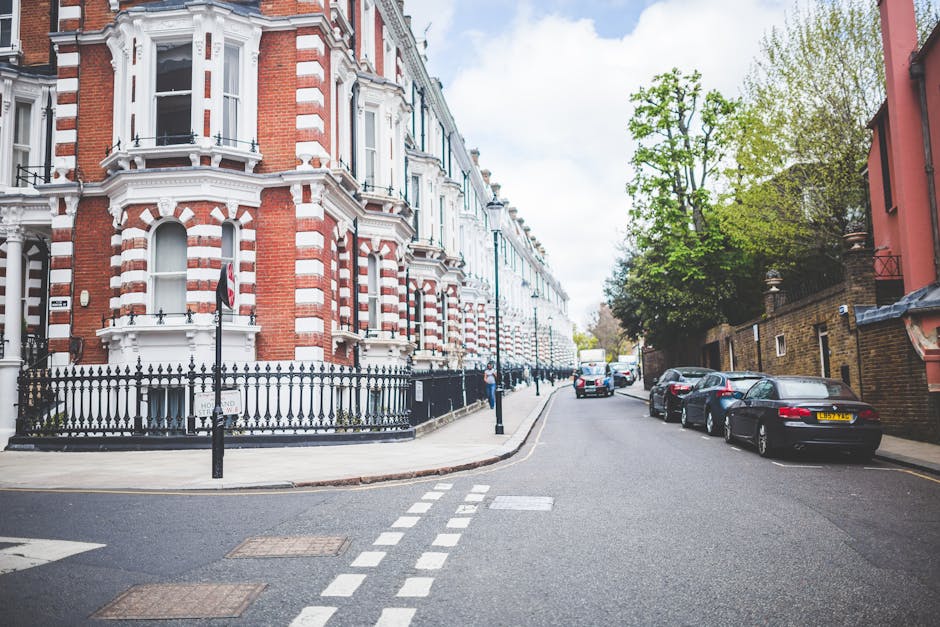
Moving in Maida Hill is rarely just about loading boxes and heading off. The streets can be busy, parking can be limited, and building access can be awkward if you are dealing with a narrow road, controlled parking zone, or a property with shared entry space. That is why Maida Hill council removal rules and street permit advice matter so much: they help you plan the move in the right order, not just the exciting bits.
In practice, a poorly planned stop outside the property can cause knock-on issues. The van may have to park further away. The crew may need to carry furniture an extra distance. Lift use may be restricted. The move takes longer. Everyone gets a bit more tired. And to be fair, that usually means more stress than anyone wanted on moving day.
There is also a financial side. If the van is parked incorrectly, or if the access plan does not fit the local restrictions, you may face avoidable costs such as extra labour time or parking penalties. Even if no ticket appears, delays can still affect your schedule, your handover, and the timing of cleaners or incoming tenants.
The wider point is simple: in a dense area like Maida Hill, removal planning and parking planning are the same job. That is why many customers combine their moving prep with practical reads such as the Harrow Road removals parking and access guide and the narrow stairs guide for Maida Hill flats. Those details are not glamorous, but they are usually what saves the day.
How Maida Hill council removal rules and street permit advice Works
The basic idea is this: if your removal van needs to stop on a public road, bay, or restricted parking area, you may need permission, timing awareness, or both. The exact process depends on the street, the type of bay, the day of the week, and whether your move affects neighbours, traffic, or loading restrictions.
Most moves in Maida Hill benefit from a simple sequence:
- Check the street outside both addresses.
- Work out where the van could safely stop.
- Assess whether the stop is likely to need a permit, dispensation, or temporary loading arrangement.
- Factor in the building layout, stairs, lift access, and any distance from the van to the front door.
- Book the move with enough margin for parking changes and access delays.
That sounds basic, but the hidden value is in the timing. A permit or parking arrangement is rarely the last thing to think about; it is one of the first. If the van arrives and the road is already full, the crew may have to circle the block while someone in the property watches the clock. Nobody likes that little dance.
If your move is more complex, such as a full flat relocation or a larger family house move, it can help to compare the practical load with the service type. The pages on flat removals in Maida Hill and house removals in Maida Hill are useful starting points because the access needs are often quite different.
One thing people often forget: permit planning is not just for the departure address. If the destination street is tighter, busier, or more controlled than the collection point, that side of the move may actually be the bigger headache.
Key Benefits and Practical Advantages
Getting the parking and permit side right does more than avoid fines. It makes the entire move calmer and more predictable.
- Less wasted time: The van can stop closer to the property, which reduces carry distance and speeds up loading.
- Lower physical strain: Shorter carries mean less risk when moving heavy furniture, boxes, or awkward items.
- Better schedule control: Cleaners, key handovers, and utility appointments are easier to keep on track.
- Fewer disputes: Good planning avoids awkward moments with neighbours, landlords, or building managers.
- Reduced risk of penalties: You are less likely to end up with an expensive parking problem on a day already full of costs.
There is also a comfort factor that people underestimate. Once the van has a proper place, the move feels organised. The team knows where to work. The customer knows what is happening. Even the mood changes a bit. You can hear it in the way people speak to each other once the first few boxes are safely inside the van.
If you want a move that feels tidy from the outset, it helps to pair parking planning with sensible preparation. The packing guide for moving and the decluttering before a move guide are both strong companions to permit planning because they cut down on volume before the van even arrives.
Who This Is For and When It Makes Sense
This advice is useful for almost anyone moving in or out of Maida Hill, but it becomes especially important in a few common situations.
- Flat movers: Shared entrances, stairwells, and residential bays can all complicate access.
- Families moving house: More items usually means a longer loading window and a greater need for reliable parking.
- Students and renters: Moves can be short notice, which is exactly when permit mistakes happen.
- Office and small business relocations: Time pressure is often higher, and roadside stopping needs to be handled carefully.
- People moving bulky items only: A single sofa, wardrobe, or piano may still need careful roadside planning.
It also makes sense if your street is busy during school runs, weekend shopping hours, or delivery peaks. Let's face it, Maida Hill streets can change character by the hour. A quiet stretch at 8 a.m. can feel completely different by 11 a.m.
For larger or more delicate items, practical planning matters just as much as the permit side. You might find the guidance on piano removals in Maida Hill helpful if you are dealing with an item that needs extra care, or the furniture removals service if the job is mainly sofas, tables, wardrobes, and similar pieces.
Step-by-Step Guidance
Here is a straightforward way to plan your move so the council and street access side does not become a last-minute scramble.
1. Inspect both addresses before you book
Look at the road, the parking bays, the visibility, and the walking distance from the closest stopping point to the front door. If you can visit in person, do it. If not, use photos, street view memory, or a quick call with whoever is already living there. A five-minute check can save a two-hour problem.
2. Note the type of road restriction
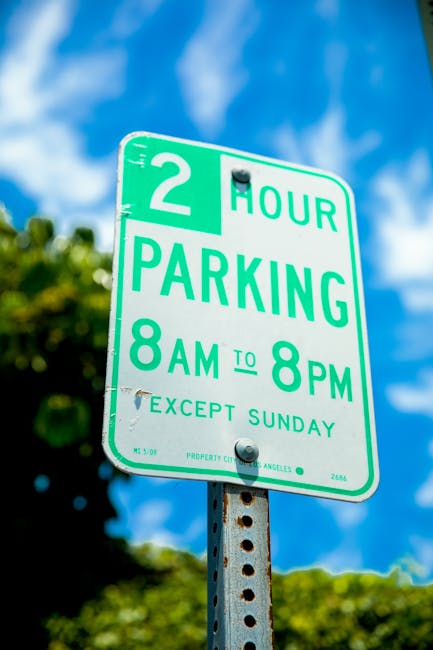
Pay attention to signs. Loading only, resident bays, double yellow lines, single yellow lines, suspended bays, and controlled zones all create different rules. You do not need to become a parking expert overnight, but you do need enough understanding to know when to ask for help.
3. Estimate how long the van will need
Be realistic. A studio flat with light items might move quickly. A family property, a flat with narrow stairs, or a home with dismantled furniture may take much longer. When in doubt, build in a wider window. People often underestimate the last 20% of a move, and that is where time disappears.
4. Check whether your access plan changes the job size
If the van cannot park close, the carrying distance grows. That affects labour time and safety. In many cases, the right answer is not "push harder"; it is "plan better." Small detail, big difference.
5. Coordinate the permit or permission early
Depending on the street and parking controls, you may need a temporary arrangement or a permit for the van. If the property is in a managed block, there may also be building-specific rules for loading, lift booking, or use of service entrances. This is where a quick conversation with the landlord, concierge, or building manager can prevent a lot of headaches later.
6. Match the moving team to the access conditions
If the route involves stairs, tight turns, or long carries, the right team and equipment matter. A smaller van may be easier in a cramped street. A specialist team may be better for awkward furniture. If you are comparing approaches, the man and van Maida Hill page and the removal van Maida Hill page can help you think through the practical setup.
7. Confirm final timing the day before
Roadworks, school traffic, and local events can change the picture fast. A quick reconfirmation gives you room to adjust. This is one of those little tasks that feels boring until it saves the move.
Expert Tips for Better Results
After many local moves, a few patterns show up again and again. The people who have the smoothest day usually do the small things early.
- Book the parking plan before the packing panic: It is easier to sort access once your move date is known.
- Keep a printed or saved copy of every key detail: Address, access notes, contact numbers, and any permit reference if one is needed.
- Use the front room as a staging zone: It speeds up loading when boxes and furniture are already grouped.
- Protect the high-risk items first: Sofas, beds, mirrors, and anything awkward should be the first items you think about, not the last.
- Leave margin for one surprise: There is nearly always one. A locked gate, a missing fob, a neighbour's car, something small.
A useful local habit is to think in terms of walking distance rather than just street distance. Ten metres does not sound like much until you are carrying a washing machine, a mattress, or a box that feels oddly heavier at 3 p.m. than it did at breakfast. Strange how that happens.
For better item protection, you may also want to review the practical advice on moving beds and mattresses and the article on piano relocation if any fragile or heavy item needs specialist handling.

Common Mistakes to Avoid
The most common errors are not dramatic. They are small, ordinary oversights that pile up.
- Leaving parking until the morning of the move: That is where the stress begins.
- Assuming the same arrangement works at both addresses: Collection and delivery streets often have different restrictions.
- Underestimating stair time: Even a short staircase can slow things down if items are large or awkward.
- Forgetting building rules: Some blocks need lift bookings, floor protection, or advance notice.
- Booking the wrong vehicle size: Too small means extra trips; too large can make parking worse. Neither is ideal.
- Not telling the movers about the access problems: They can only plan well if they know what they are walking into.
There is a funny little trap here. People often prepare the contents of the move beautifully, but skip the access plan because it feels like an admin task. Then the van arrives, and suddenly admin is the whole story. Bit of a buzzkill, honestly.
If you want to avoid the more general booking errors that can make all of this worse, the article on booking mistakes to avoid for Maida Hill removal services is a good companion read.
Tools, Resources and Recommendations
You do not need a huge toolkit to manage the permit and access side of a move, but a few things make life much easier.
| Tool or resource | What it helps with | Practical note |
|---|---|---|
| Street photos | Checking bay types, road width, and front-door access | Useful if you cannot visit in person |
| Building manager or concierge contact | Lift booking, entry rules, and service access | Especially helpful in managed blocks |
| Move checklist | Tracking permit, packing, and timing tasks | Simple paper lists work surprisingly well |
| Furniture labels | Speeding up loading and unloading | Useful when the van stop is a bit further away |
| Room-by-room inventory | Estimating load size and move duration | Helps you avoid booking too little time |
In terms of recommendations, keep your sources of truth simple. One moving plan. One contact list. One note with access details. The more places you spread information, the more likely something disappears into a drawer, a phone note, or a kitchen counter under a mug.
If you are still comparing the broader service setup, the removal services page, removals Maida Hill, and removal companies in Maida Hill are useful for understanding the range of support available.
Law, Compliance, Standards, or Best Practice
Because parking and roadside loading can involve public space, you should treat the process carefully and conservatively. Exact rules can vary by street, property type, and local parking controls, so it is best not to guess. If a sign, bay, or loading restriction is unclear, check the situation before the day of the move rather than trying to improvise at the kerb.
From a best-practice point of view, the safest approach is usually to:
- confirm whether stopping is allowed at the time you need it;
- allow extra time for access and parking;
- avoid blocking driveways, crossings, or emergency access;
- keep neighbours informed where a vehicle or lift booking may affect them;
- follow any building-specific moving rules, even if they seem fussy.
That last one matters. Building rules can feel a bit over-specific, but they often exist for a reason: protecting the lift, the hallway walls, or the quiet of the block. Nobody wants a scratched corridor and a grumpy afternoon.
If safety is a concern, it is worth reading the company's health and safety policy and insurance and safety information alongside your own access planning. Those pages can help set expectations about safe handling, accountability, and care during the move.
Options, Methods, or Comparison Table
There is more than one way to manage a Maida Hill move. The right choice depends on how much you are moving, how tight the street is, and how quickly you need the job done.
| Approach | Best for | Strengths | Watch-outs |
|---|---|---|---|
| Man and van | Smaller moves, student moves, quick local jobs | Flexible, often easier to fit into narrow streets | May need careful planning if the load is larger than expected |
| Full removal service | House moves, flats with many items, busy move days | More support, better for bulky or awkward items | Needs clearer scheduling and access planning |
| Same-day removal | Urgent changes, late notices, broken plans | Fast response, useful in a pinch | Less room for parking surprises, so the access plan must be tight |
| Item-only specialist move | Pianos, wardrobes, beds, single large items | Better protection and handling | Requires accurate weight, size, and access details |
There is no one perfect model for every street. A quiet side road with simple parking is a different story from a busy main route with limited stopping space. That is why the best option is the one that matches both the item list and the road layout.
For urgent situations, the same day removals page and the related same-day removals options article are useful because they show how time pressure changes the planning conversation.
Case Study or Real-World Example
Here is a realistic example from a typical Maida Hill-style move. A couple were leaving a first-floor flat with a sofa, bed frame, a dining table, and around twenty boxes. The property was on a street with limited waiting space, and the destination had a tighter access road than expected. Nothing dramatic. Just enough friction to matter.
They initially assumed the van could stop directly outside both buildings. On inspection, that turned out to be optimistic. The collection side had a busy bay pattern, and the delivery side had a short stretch where stopping would have been awkward during peak hours. So the plan changed: the move was timed earlier, items were grouped in advance, and the team was briefed to expect a short carry at one end.
What made the difference was not luck. It was preparation.
The outcome was smoother because the access issue was identified before the moving day, not during it. The sofa had already been protected, the beds were dismantled, and the route through the flat had been cleared. There were still a few small moments of chaos - there always are - but the day stayed manageable.
If you are trying to do the same thing, the most useful lesson is simple: do not wait for the van to reveal the parking problem for you. Find it first. Then adapt the plan calmly.
Practical Checklist
Use this checklist a few days before the move. It is not fancy, but it works.
- Confirm the moving date and time window.
- Check parking restrictions at both addresses.
- Ask whether a permit, dispensation, or building approval is needed.
- Measure the biggest items and note anything awkward.
- Decide whether the van needs to park close to the entrance or whether a longer carry is acceptable.
- Tell the removal team about stairs, lifts, narrow hallways, or access codes.
- Prepare labels for rooms and priority boxes.
- Keep keys, fobs, and contact numbers easy to reach.
- Protect fragile items and separate essentials for the first night.
- Review any building rules about lift use, floor covering, or loading times.
- Leave a small buffer in the schedule in case parking takes longer than expected.
One useful extra tip: put all the access information in one place and send it to the movers before the job. A short note with parking limits, entry instructions, and any special warnings can prevent a surprising amount of confusion.
If you are still at the planning stage, the packing and boxes page and the pricing and quotes page can help you shape the job before you lock anything in.
Get a free quote today and see how much you can save.
Conclusion
Maida Hill council removal rules and street permit advice are not side notes. They are part of the move itself. When you plan the parking, access, timing, and building rules properly, everything else becomes easier: the lifting, the loading, the timing, even the mood on the day.
That does not mean every move will be perfect. A key will go missing. A lift will be slow. Someone will park too close for comfort. It happens. But with the right planning, those moments stay small instead of becoming the whole story.
If you want a calmer move, start with the street, then the van, then the boxes. In that order, more or less. It is a small shift in thinking, but it makes a very big difference.
And when the last box is finally inside and the road noise fades for a moment, you will be glad you took the time to get the details right.